


A more specialized noodle machine manufacturer - Ushering in a new era of turnkey projects
News
How does flour become noodles?
Release Date:
2024-04-12
The process of turning flour into noodles can be done by hand in daily life or through industrial production lines. Although the two methods are different, but the core principle is similar, both are the flour through a series of processing, and finally converted into noodles. Whether it is handmade or industrialized production, the process of turning flour into noodles reflects the love and wisdom of human food culture. Hand-made noodles retain the original flavor and taste, while industrial production has improved production efficiency and output to meet the needs of consumers. The two complement each other and jointly promote the development of noodles culture.
How does flour become noodles?
The process of turning flour into noodles can be done by hand in daily life or through industrial production lines. Although the two methods are different, but the core principle is similar, both are the flour through a series of processing, and finally converted into noodles.
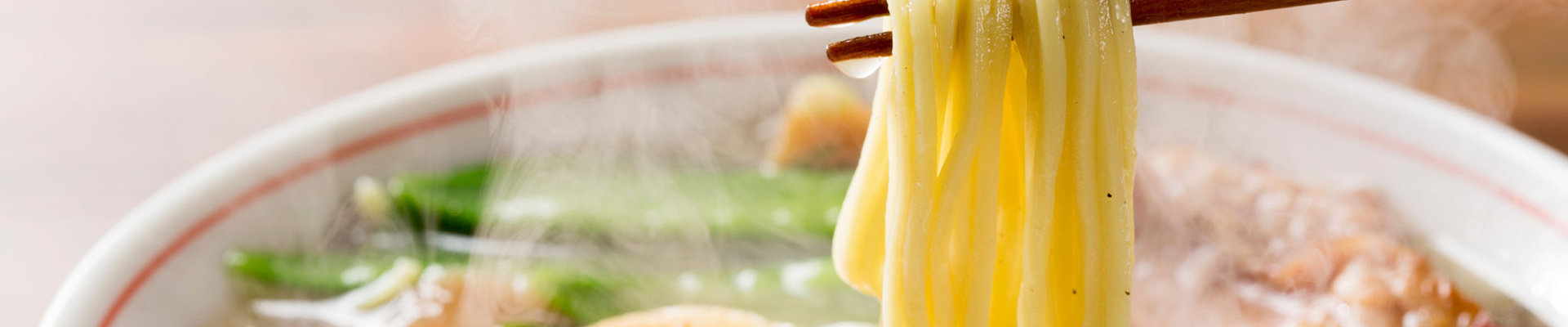
In daily life, the conversion of flour into noodles is mainly dependent on manual operation. First of all, it is necessary to mix the right amount of flour and water, through rolling, kneading and other methods, so that the flour and water are fully combined to form a smooth, elastic dough. In this process, the proteins in the flour form a network that holds the water molecules in place, forming a tough and malleable dough. Next, roll out the dough and cut it into strips to form the shape of the noodles. Finally, through cooking, frying and other cooking methods, so that the noodles are fully cooked, to meet the edible standard.

In industrial production, the process of turning flour into noodles is more efficient and automated. The flour enters the dough mixer through various conveying equipment (such as air transport powder equipment, high-density powder feeding equipment, vibrating screen and dust-free powder station, etc.), and mixes evenly with water and other additives. Then, the dough is rolled by the calender several times to form a face band that meets the requirements, and then cut into strips to form a uniform noodle. After that, different requirements can be entered into the subsequent different equipment (such as steaming machine, frying machine/drying machine, low temperature drying room, boiling machine, etc.) for processing, so that the noodles become fried/non-fried instant noodles, stick noodles, boiled noodles, hot dry noodles and other noodle products, and finally, after packing machine packaging, they can enter the market.
Whether it is handmade or industrialized production, the process of turning flour into noodles reflects the love and wisdom of human food culture. Hand-made noodles retain the original flavor and taste, while industrial production has improved production efficiency and output to meet the needs of consumers. The two complement each other and jointly promote the development of noodles culture.
Zhengzhou Bingchu Food Machinery Co., Ltd. as a professional noodle machine manufacturing company, is committed to all kinds of noodle products machinery and equipment research and production, such as stick noodle production line, fried instant noodle production line, non-fried instant noodle production line, boiled noodle/hot dry noodle production line, fresh noodle/ramen/semi-dry noodle production line, noodle machine for the lab and so on, and all noodle machines can be customized according to customer needs.
If you are interested in any noodle machine equipment, welcome to online consultation or direct telephone consultation +86 15664100838 (WhatsApp and WeChat number), we will provide you with the most suitable equipment according to your needs.
Related News
Contact person: Tracy Shen
Contact number: +86-15664100838
Address: Xingyang, Zhengzhou, Henan, China